


All Products
-
 Mr. Umar JibrilWe have been cooperating with Silver Star since the year of 2011, our first chicken farm layer cage order is also very strong so far. High quality and durable cages, i am very satisfied.
 -
 Mr. BryanSiver Star battery chicken cage is worth to order: Last year we cooperated first time on hot dip galvanizing layer chicken cage. I was really surprised with the poultry cage when i recevied. What's more, Siver Star gave us more patient installation guidance. Now my farm is running very well, soon i will prepare for my second house.
 -
 Mr. Halim SatriaIt is unforgettable for us to meet on exhibition booth, we talked with Silver Star manager Ms. Joise, and started our first business for my new chicken farms with automatic chicken cage. Ms. Joise send the engineer to guide installation for me, easy to operate, i am thankful.
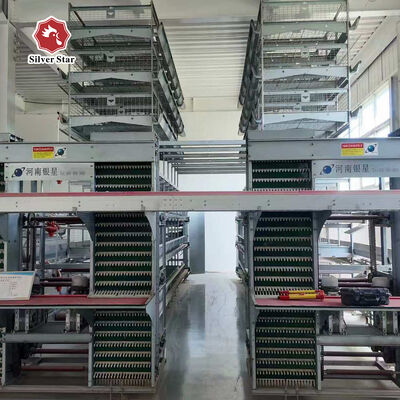
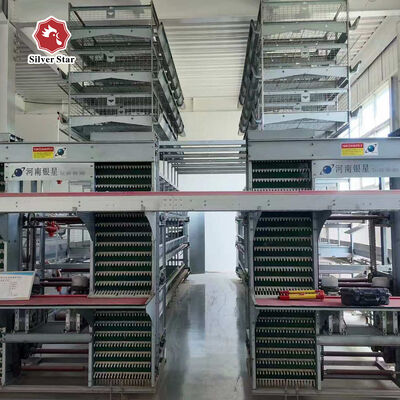
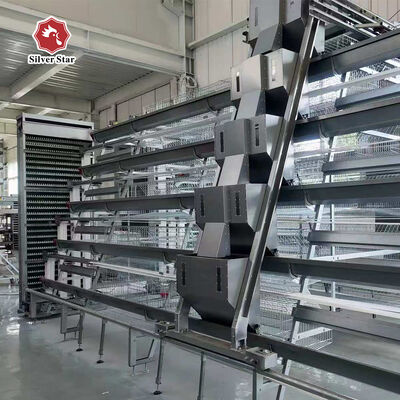
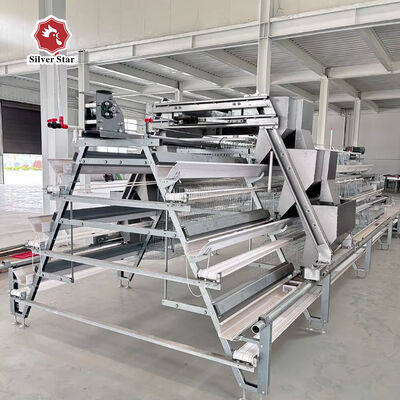
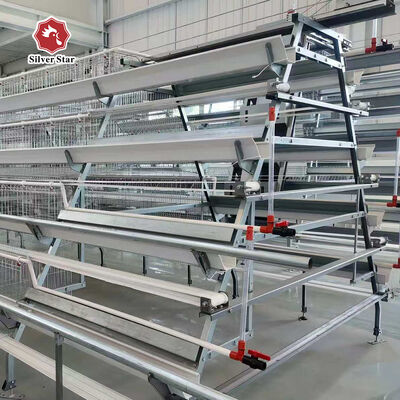
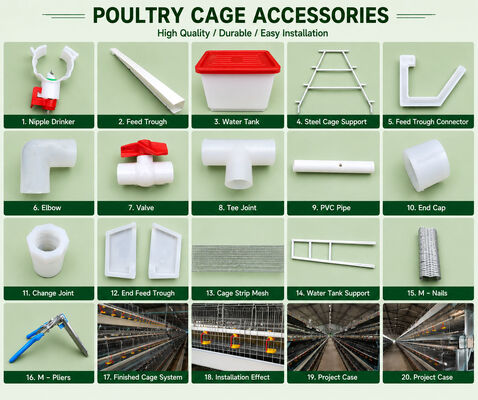
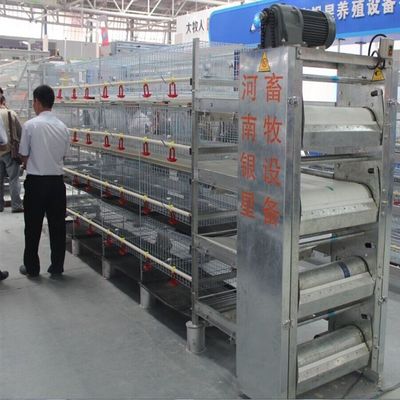
Hot-Dip Galvanized Battery Chicken Cage Fully Automated IoT-Controlled with Medical-Grade Disease Prevention for Poultry Farming Equipment


Product Details
| Material | Hot-Dip Galvanized Anti-Corrosion Steel | Automation Level | Fully Automated IoT-Controlled |
|---|---|---|---|
| Biosecurity Level | Medical-Grade Disease Prevention | Installation Type | Modular Assembly |
| Climate Control | Smart Climate Support | Feeding System | Automated Feeding & Egg Collection |
| Highlight | Hot-Dip Galvanized Battery Chicken Cage,Fully Automated IoT-Controlled Poultry Farming Equipment,Medical-Grade Disease Prevention Layer Chicken Cage |
||
Product Description
From Life's Foundation to the Golden Nest: How Modern Equipment Shapes Every Quality Egg
Signs of Protein Deficiency That You May Think Are Normal
Protein is the foundation of life. Every cell in the human body is made with it. When your protein intake is insufficient, you won't immediately have severe health issues that disrupt daily life. Still, your body sends subtle warning signs that are easy to overlook. Many people blame these symptoms on "being tired lately", "getting older" or "poor physical constitution", but they may simply mean you are not eating enough protein.
- Feeling hungry soon after meals: You feel hungry again shortly after eating, and crave sweet or salty food. If a meal is high in carbs but low in protein, your blood sugar spikes then drops rapidly. Falling blood sugar triggers strong food cravings. Low protein also disrupts satiety hormones, making you crave high-calorie foods.
- Excessive hair loss: Lots of hair falls out when you wash or comb your hair. Hair is mainly composed of keratin. When protein is lacking, your body prioritizes supplying protein to vital organs like the heart and brain, and sacrifices hair, which is considered non-essential tissue.
- Persistent tiredness and unrefreshing sleep: You sleep 8 hours yet still feel sleepy in the daytime. You feel exhausted even without heavy physical work. Protein deficiency causes constant fatigue and poor focus. Low protein intake at dinner also disturbs nighttime hormone production, leading to shallow sleep.
- Pitting edema on calves: This symptom deserves extra attention as it is more serious than others. Your legs and feet swell; pressing the skin leaves a dent that takes a long time to bounce back.
- Weakened immunity and frequent illnesses: You catch colds easily when seasons change, get fevers often, and minor wounds take a long time to heal. Protein builds antibodies and immune cells. Without enough protein, immune cells cannot multiply quickly, lowering your body's virus-fighting ability and slowing tissue repair.
- Slow recovery after exercise: Muscle soreness lingers for days even after light workouts. Without sufficient protein, your body cannot efficiently repair muscle tissue, so soreness lasts longer.
- Brittle, easily broken nails: Nails develop vertical ridges, split or peel easily when touched. Nails are also made of keratin. Protein shortage slows nail growth, making them thin and fragile with ridges and peeling.
- Dry and rough skin: Your face and hands stay tight and dry even after applying moisturizer. Skin cell renewal and repair require protein. Without enough amino acids (the building blocks of protein), your body struggles to produce collagen and elastin.
- Low blood pressure and dizziness: You get dizzy and see spots when standing up quickly, or need support after squatting. Long-term protein deficiency often comes with iron-deficiency anemia, reducing oxygen supply to the brain and causing dizziness and fatigue.
- Irregular menstrual cycles: Your period arrives late, flow becomes lighter, or cycles get longer. When protein and energy are chronically insufficient, your body activates survival protection and suppresses reproductive functions, resulting in menstrual disorders.
The Evolution of Food: From Sustenance to Wellness
As the old saying goes, "Food is the first necessity of the people." Today, however, our pursuit of food has evolved far beyond simply filling our stomachs—it has grown into a pursuit of nutrition, health, and wellness.
Among all nutritional components, protein is known as the "source of life." When it comes to the various proteins we consume daily, eggs are universally recognized as a "complete food" and the "ultimate treasure trove of quality protein," containing almost all the amino acids required by the human body with an exceptionally high absorption rate.
Every quality egg is, quite literally, nature's tender gift to human health.
Ensuring Quality Eggs Through Modern Farming
Given the vital importance of quality protein, how can we ensure that every household enjoys safe, fresh, and nutritious eggs on their dining table every day? The answer lies within the modernized poultry farm.
Traditional Farming Challenges
In the past, raising chickens was entirely a game of chance, largely at the mercy of the weather. Traditional farming offered no way to artificially control the environment, meaning success depended completely on natural conditions and luck. This was specifically reflected in the following aspects:
- Temperature relied entirely on the weather: Past chicken coops were mostly simple mud-brick houses or open-air yards. When winter brought cold snaps and strong winds without modern climate control, chicks easily froze to death or fell ill. In summer, continuous heatwaves caused heat stress in chickens, leading to plummeting egg production or even death.
- Disease prevention relied entirely on luck: In the past, there were no scientific biosecurity isolation or automated epidemic prevention systems. During humid seasons when viruses thrive, flocks were highly susceptible to outbreaks of disease (such as avian influenza). Once infected, due to a lack of scientific management and isolation measures, entire flocks often died out, leaving farmers with devastating losses.
- Feeding lacked scientific guidance: Past practices relied heavily on free-range foraging or simple feeding of whole grains. With unbalanced nutritional ratios, chickens had long growth cycles and unstable egg-laying rates, meaning whether and how many eggs were laid depended entirely on the chickens' "condition" and weather-related impacts.
Modern Farming Solutions
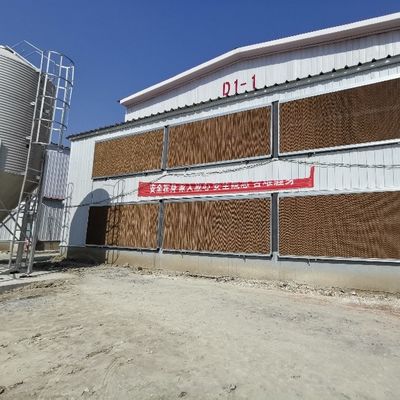
In sharp contrast stands the modern farming industry: Today's modern chicken coops are equipped with fully automated climate control systems, ventilation systems, automated feeding and watering systems, and epidemic purification systems.
Whether outside it is the scorching heat of midsummer or the freezing cold of midwinter, the temperature, humidity, and air quality inside the coop are constantly maintained in the "golden state" best suited for laying hens. Only laying hens living in a comfortable, scientific, and clean environment can produce top-quality eggs. Factors such as air quality, temperature, humidity, and easy access to feed and water directly determine the quality and yield of the eggs.

Livestock and poultry farming is a timeless, ever-flourishing industry because it shoulders humanity's rigid, enduring demand for quality protein.
We are not just manufacturing sets of layer cages—we are partnering with poultry farmers to safeguard the birth of every single quality egg, and together, supporting a healthier, protein-rich future for mankind!
Ratings & Review
Recommended Products
-
VIDEO
Overall Rating
Rating Snapshot
The following is the distribution of all ratingsAll Reviews